
Dear Friends of Wiyi Yani U Thangani,
During National Reconciliation Week, Reconciliation WA released Reconciliation Memoirs with June Oscar, celebrating June's lifelong commitment to First Nations gender justice.
Reflecting on this year's National Reconciliation Week theme, 'All In', June described it as a call to genuine listening, not selective hearing: "It's our preparedness to hear all of the issues that we wish to raise and to hear our solutions to those issues."
If you're looking for a place to start, we recommend reading the recent Women Deliver Delegate Call to Action, which sets out calls for structural change.
During National Reconciliation Week, Institute Chair June Oscar AO took to the Reconciliation Memoirs stage for an in-depth conversation with journalist Victoria Laurie, marking the launch of her memoir published by Reconciliation WA. The series has, over five years, honoured the voices of Fred Chaney AO, Dr Richard Walley OAM, Carol Innes AM and Patrick Dodson, and June's story is a powerful addition to that legacy.
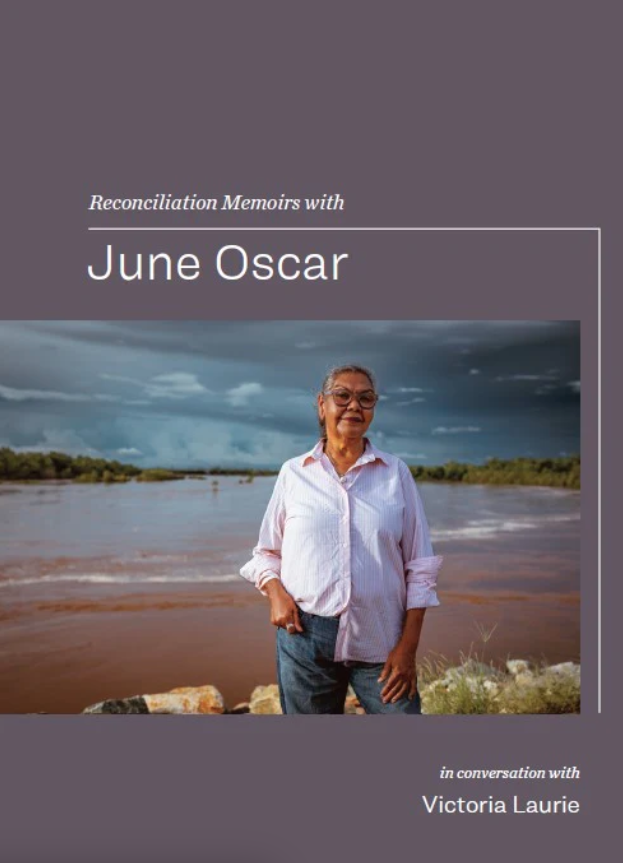
For June, the memoir was never just about her own story. Speaking with the National Indigenous Times, she reflected on what moved her to participate, "I carry the voices of all of the women that have influenced and shaped my thinking on the issues that matter for Aboriginal and Torres Strait Islander women and girls and gender-diverse people." Those women, she said, are too often made invisible by the very systems and processes that most affect them. The memoir is her way of bringing them into the light, and of showing the next generation of First Nations women that these spaces are theirs too. "I wanted to see those spaces created, and I wanted to make it visible for young people to be able to see themselves in these roles," she said.
In The Guardian, June reflected on her family history, including reconnecting with a half-brother she had never met until she was 53. She spoke plainly about what reconciliation requires right now: "The time is now to be able to have these courageous conversations but we need the courageous leadership. Some would say that it's too risky to do it now. When is it a good time? I think we have to do it and we need to do it now."
Read the full articles at The Guardian and National Indigenous Times.
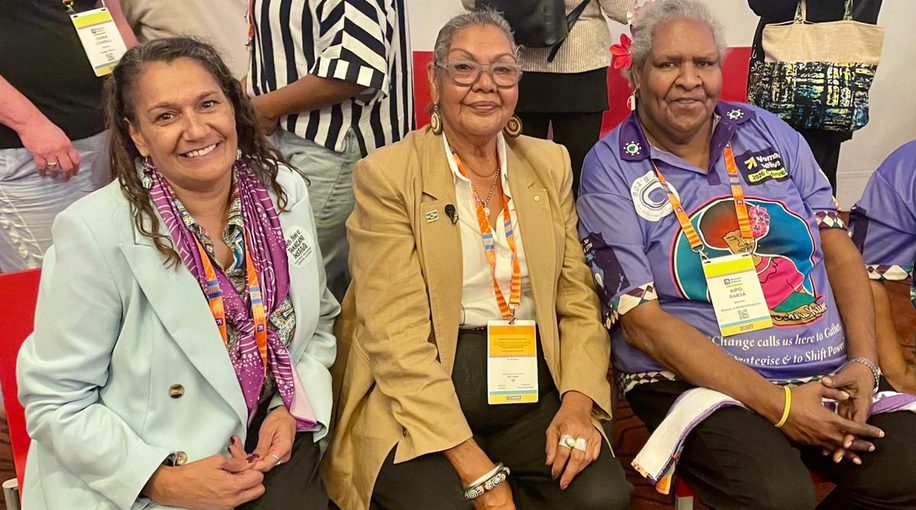
Shenane Hogg knows what it means to navigate systems that weren't built with mob in mind. A proud Torres Strait Islander and South Sea Islander (Kanaka) descendant, Shenane was one of over 150 who joined the Wiyi Yani U Thangani delegation to Women Deliver 2026 in Narrm to elevate her story internationally.
Shenane lives with a traumatic brain injury following family and domestic violence and is now more than ten years into her healing journey. That lived experience drives everything she does. As former Community Liaison for Connectivity TBI Australia, she worked at a national level to improve outcomes for First Nations people living with traumatic brain injury through culturally safe engagement, co-design, and lived-experience leadership.
"Coming through brain injury has been a journey of healing, connection and now empowerment. I have moved from Survivor to Thriver mode."
One of the things she's most passionate about is the Deadly TBI resources: easy-read visual tools co-designed with communities to help families, frontline workers and communities understand concussion and healing.
"The more I learn about TBI, the more empowered I become to advocate for myself and others, especially women who may be walking around undiagnosed and are just adapting to their unknown condition."
Shenane is also contributing to two major national research initiatives and is co-facilitating the co-design process for the Head Health Healing Project alongside Arrernte community in Mparntwe.
Systems change requires us to have different tools we can reach for. We think of this as filling a dilly bag - some tools we co-create with women and others come from elsewhere. Here, we share podcasts, books and resources that have resonated with the team and felt worth carrying with us.
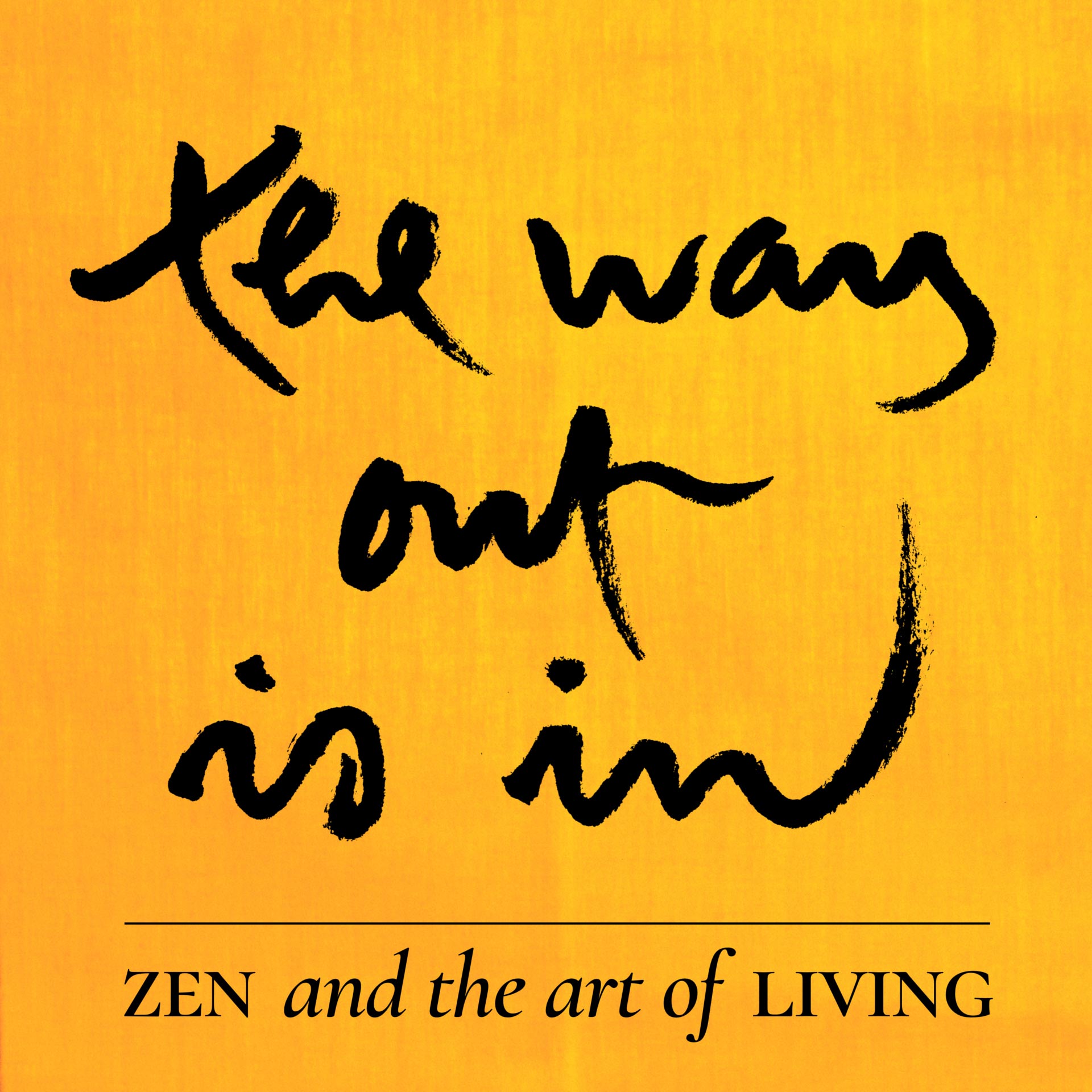
Thich Nhat Hanh (1926–2022) was a Vietnamese Buddhist monk, teacher and peace activist, known for founding Plum Village and the practice of Engaged Buddhism - the idea that inner transformation and social action can't be separated. The podcast takes its name from one of his calligraphies, a reminder that the way out of any difficulty is to look deeply within, gain insight, and put it into practice. It speaks to something we've heard from First Nations women - that peace within isn't separate from peacebuilding, it's the foundation of it.
It is co-hosted by Brother Phap Huu, abbot of Plum Village's Upper Hamlet and Jo Confino, who works at the intersection of personal transformation and systems change.
Photograph: The Way Out Is In podcast show artwork.
.svg)